History & Style
Showa Fashion: Japanese Style (1926-1989) & Showa Retro Aesthetic
The Showa Era (1926–1989) is the most transformative period in modern Japanese history. It is a story of resilience, adaptation, and unique style.
What is "Showa Fashion"?
Showa Fashion is about outfits, subcultures, and style trends that shaped Japan between 1926 and 1989. Showa Fashion is where traditional Japanese clothing met Western styles and blended into something new.
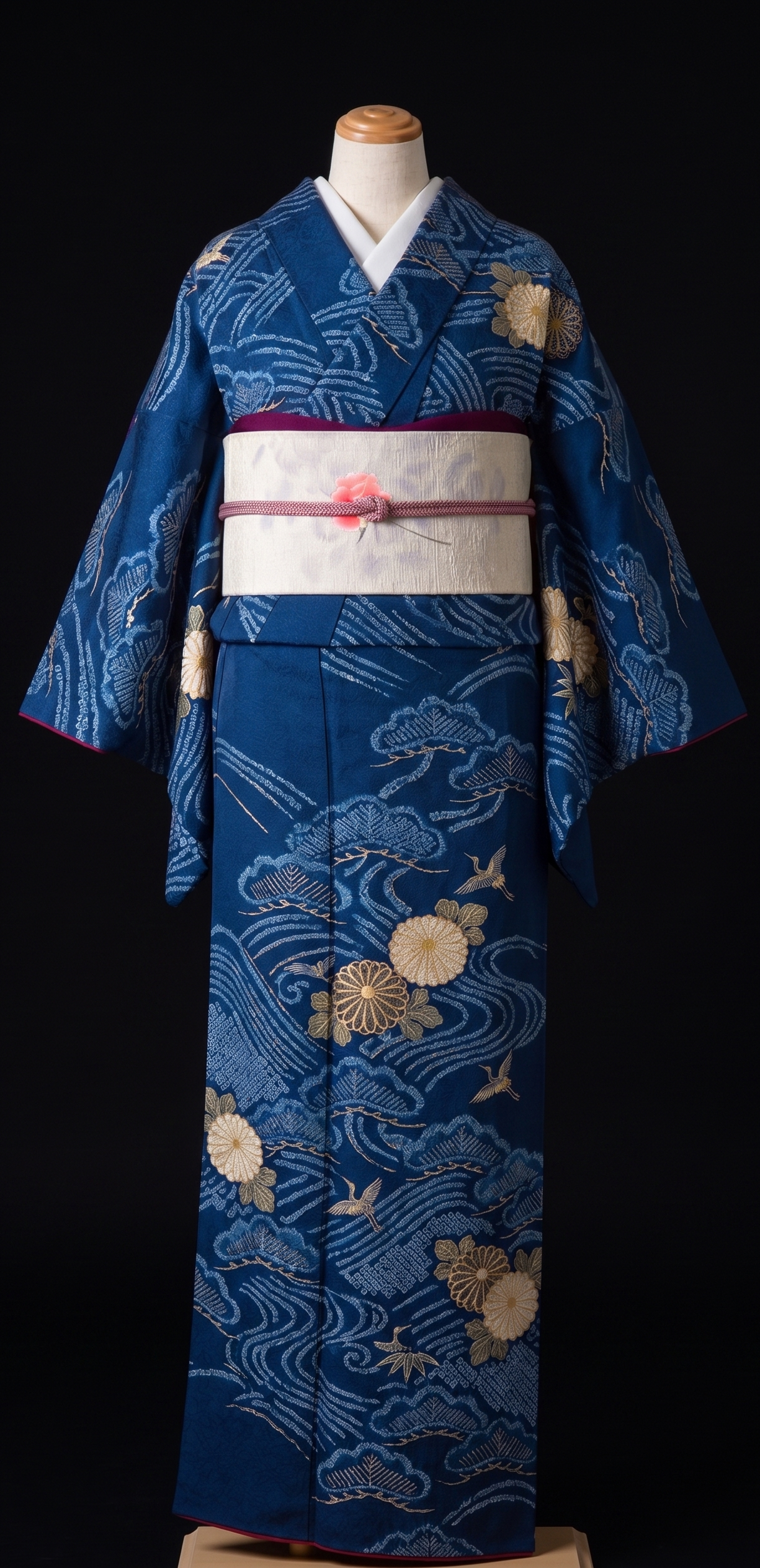
Traditional
Wafuku
Western
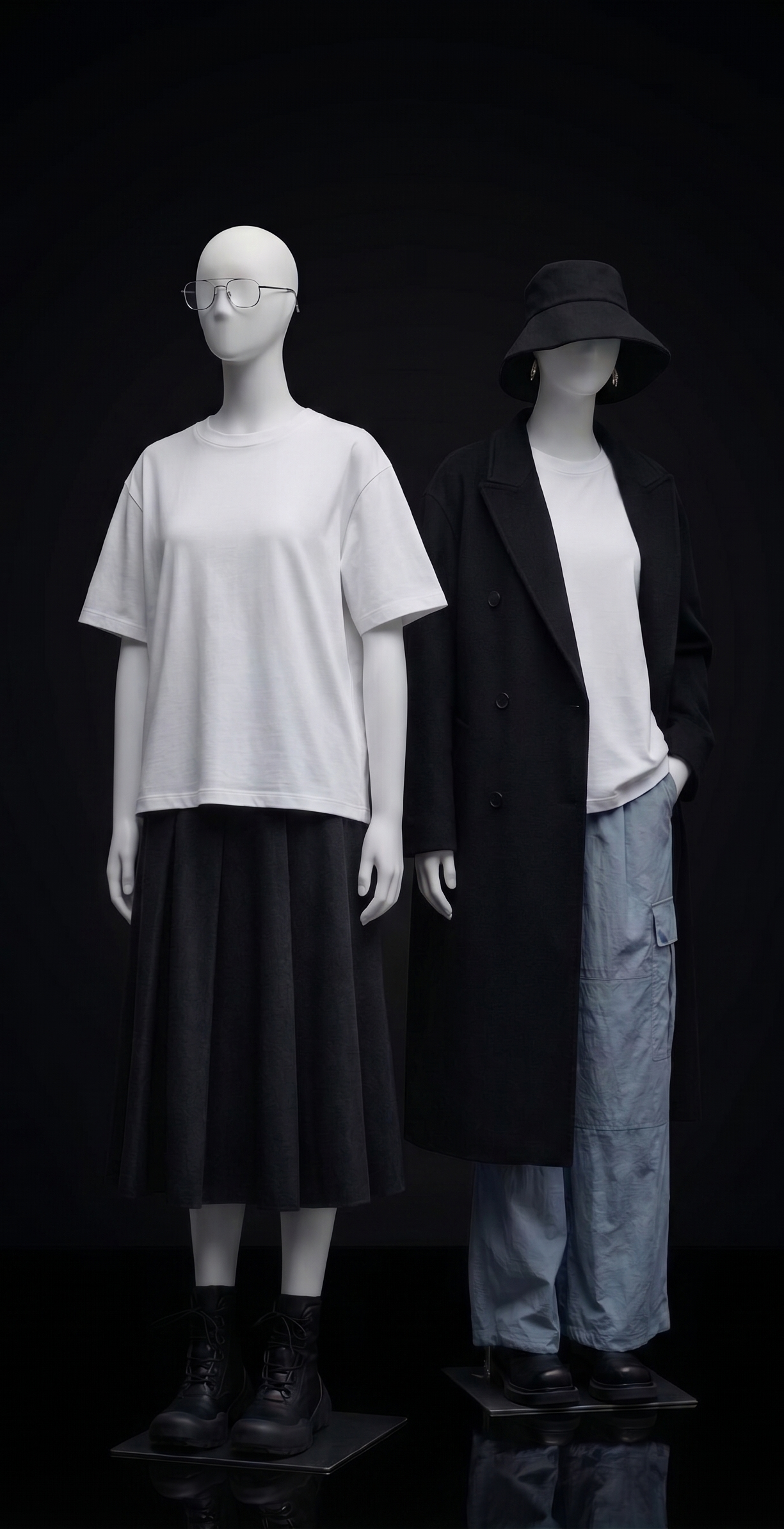
Yofuku
A Timeline of Showa Fashion
1. Western Influence (1920s–1930s)
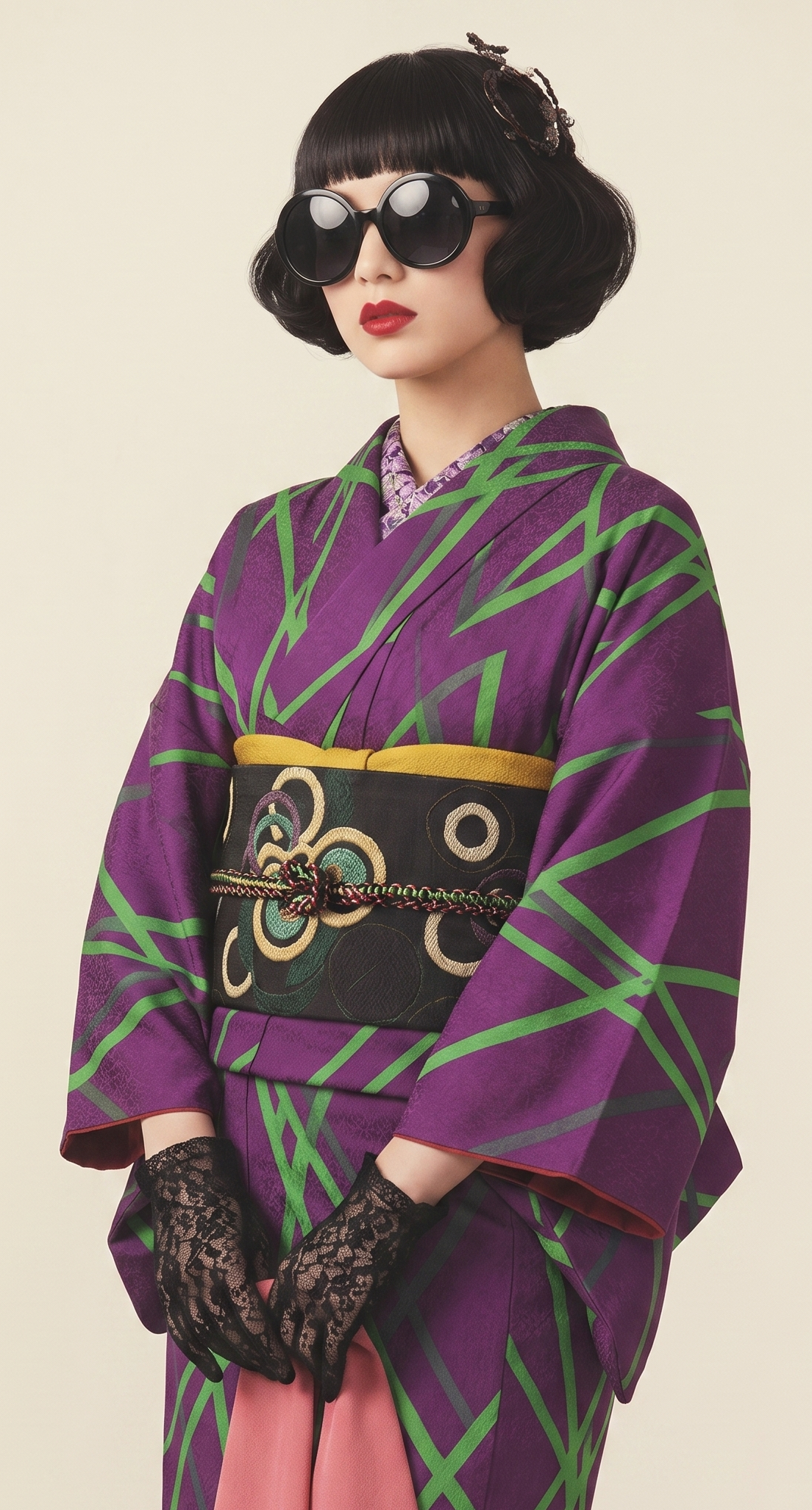
The Showa era began with the lingering stylistic freedom of the liberal Taisho period. City girls, famously called Moga (Modern Girls), shook society by wearing Western dresses, cutting their hair into short bobs, and walking confidently in high heels.
Fashion became playful and less restrictive. While many kept the traditional Kimono, they began infusing it with Western accessories like sunglasses, hats, and gloves. The "Moga" represented a new generation of Japanese women: modern, independent, and fashionable—taking inspiration from global trends while remaining uniquely Japanese.
Watch Historical Footage (1920s-1930s)
2. Wartime Uniforms (1940s)
With the onset of World War II, everything shifted. Fashion ceased to be about self-expression and became entirely about survival, utility, and saving fabric.
The required item of the decade was the Monpe—wide, baggy, highly practical trousers tied at the waist and ankles. Women wore Monpe out of absolute necessity instead of elegant skirts or traditional kimonos. It was a stripped-back, uniform aesthetic that defined the strict wartime atmosphere.
Watch Historical Footage (1940s)
3. Post-War American Boom (1950s–1960s)
Following the war, Japan experienced a staggering economic recovery that led to an unprecedented fashion boom. American pop culture—led by Hollywood movies and Rock & Roll—rushed into the Japanese mainstream.
Young men fell in love with the preppy American "Ivy League" look, featuring neat shirts and structured jackets. This movement became known as Ame-Tora (American Traditional). Casual Western wear permanently established itself as the new normal for daily Showa life.
Watch Post-War Style Footage
4. Global Trends & Subcultures (1970s)
By the 1970s, Japanese youths were completely aligned with global movements, adapting long hair, bohemian styling, and massive bell-bottom pants. However, this was also the era when Japanese designers began establishing their own distinct design language on international runways.
5. High Fashion Avant-Garde (1980s)
The late Showa period completely shocked the global fashion industry. A wave of radical, deeply philosophical Japanese design took over Paris. This group was famously dubbed "The Crows" because they completely championed the color black.
Led by legendary forces like Rei Kawakubo (Comme des Garçons) and Yohji Yamamoto, they introduced deconstructed, asymmetrical, raw, and heavily oversized clothing that rejected standard Western rules of luxury and body form. Concurrently, the streets of Harajuku began brewing the early aesthetic lines that would later evolve into subcultures like Lolita and Visual Kei.
Watch 1980s Runway Footage
How to Wear Showa Retro Looks Today
Today, the term "Showa Retro" heavily celebrates the colorful, optimistic, and highly visual eras of the 1950s through the 1970s. It remains incredibly popular among modern vintage enthusiasts.
Elements of the Showa Retro Look:
- Bold Patterns: Seek out strong geometric patterns, large abstract floral prints, and primary vintage tones.
- Knitwear: Simple, slightly slouchy knit cardigans and fine-gauge sweaters are an essential staple.
- Structured Outerwear: Think tailored, simple A-line or boxy coats in block colors.
- Accessories: Focus on oversized round glasses, classic small leather structured handbags, vintage silk hair scarves, and geometric hair clips.
The journey through Showa Fashion is a journey through modern Japanese history itself. It is a testament to a culture that constantly absorbs outside influence only to transform it into something uniquely and powerfully its own.